About the Project

ReWoW proposes a disruptive, high-risk/high-gain approach to transform digestate into a valuable feedstock for a new bioeconomy. The project develops Modular Adaptive Fermentation (MAF) and an
AI-supported optimisation toolchain to convert digestate into three model bioproducts: biosurfactants, aroma compounds and enhanced soil amendments.

ReWoW proposes a disruptive, high-risk/high-gain approach to transform digestate into a valuable feedstock for a new bioeconomy. The project develops Modular Adaptive Fermentation (MAF) and an

AI-supported optimisation toolchain to convert digestate into three model bioproducts: biosurfactants, aroma compounds and enhanced soil amendments.

The ReWoW concept

Turning digestate into value

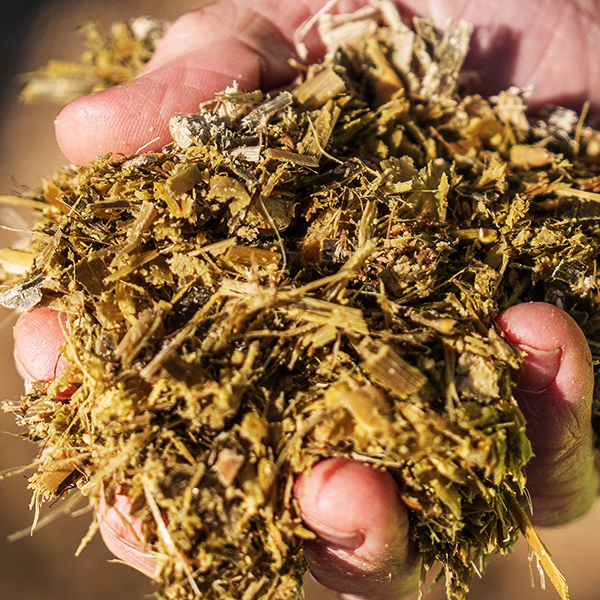
Digestate, the complex by-product of anaerobic digestion, is underutilised largely due to its heterogeneity, recalcitrance and regulatory constraints. ReWoW addresses this challenge by treating digestate as a valuable feedstock rather than waste. The project is developing Modular Adaptive Fermentation (MAF), a next-generation bioprocess combining advanced pretreatments, sequential fermentations, real-time monitoring and AI-driven optimisation. Supported by expertise in microbiology, engineering, environmental sciences, artificial intelligence, economics and policy, ReWoW is working to create new circular value chains that will transform digestate into high-value bioproducts.

Objectives

What ReWoW aims to achieve

ReWoW aims to transform digestate into valuable bio-based products through an integrated, modular and data-driven approach. The project combines advanced fermentation technologies, AI-based optimisation and sustainability principles to enable scalable and future-ready valorisation pathways.

  • Develop and validate a modular system (MAF) that integrates advanced pretreatments, sequential fermentations and real-time monitoring.
  • Convert digestate into three model bioproducts: biosurfactants, aroma compounds and enhanced soil amendments.
  • Develop a dual-layer AI tool that supports real-time modelling, decision-making and process control.
  • Embed a Safe and Sustainable by Design (SSbD) framework to address environmental, economic and social performance from the outset.
  • Provide foundations for future valorisation pathways, including enabling conditions for uptake (e.g., business model and regulatory considerations).

Innovation potential

Unlocking digestate value

ReWoW explores a new frontier in the circular bioeconomy by unlocking the untapped value of digestate through breakthrough technological and systemic innovation.

  • A proof of concept of the novel Modular Adaptive Fermentation (MAF) technology designed to convert digestate into valuable bio-based products through flexible and efficient fermentation processes.
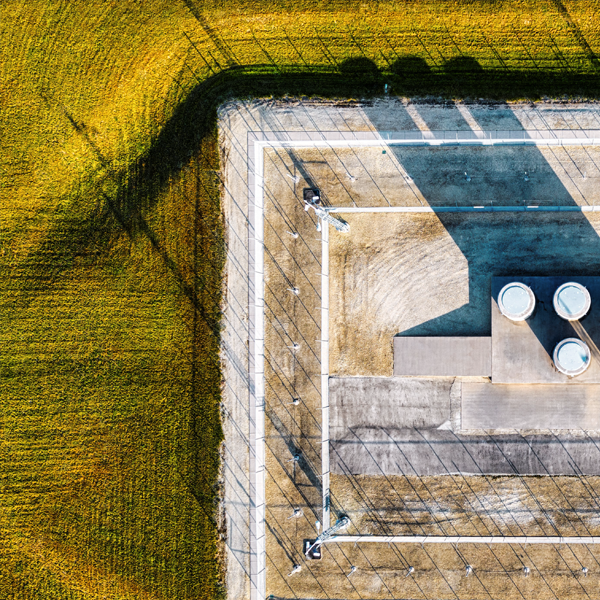
  • A new biorefinery concept for anaerobic digestion plants, enabling them to move beyond energy production and become hubs for circular resource recovery thanks to the capability of working with different digestate compositions and operational contexts.
  • Integration of artificial intelligence and data-driven modelling to better understand fermentation dynamics and optimise process performance.
  • A pathway from proof-of-concept to real implementation, beyond just technological advances, by simultaneously addressing environmental, social, political, and economic aspects of future application of the proposed approach.

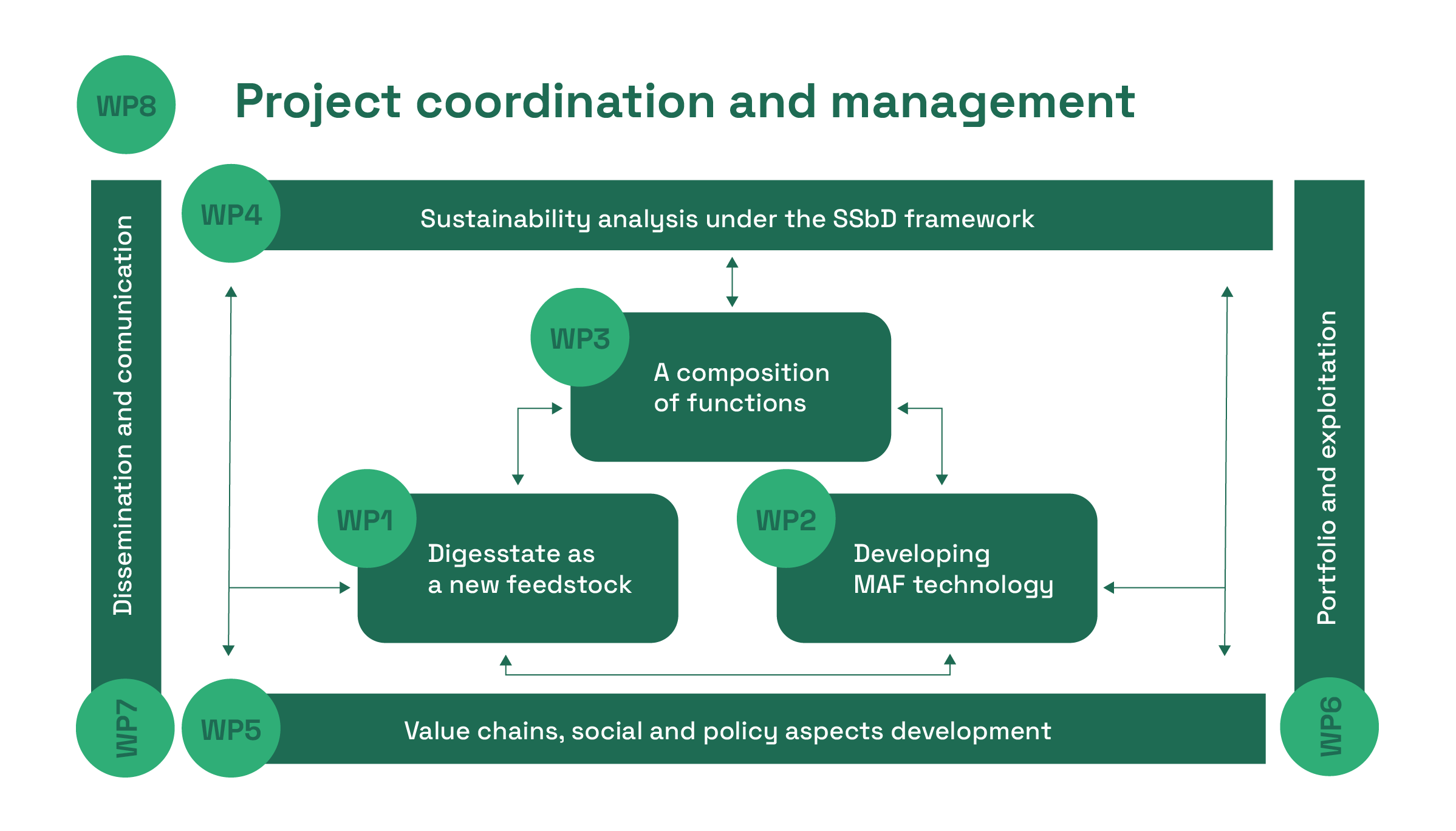
Methodology & Work plan

Long term impacts

A framework for transformation

ReWoW aims to develop an integrated and sustainable approach to transform digestate into valuable bioproducts. Through modular fermentation, AI-based optimisation and sustainability-by-design principles, the project lays the groundwork for future circular valorisation pathways.
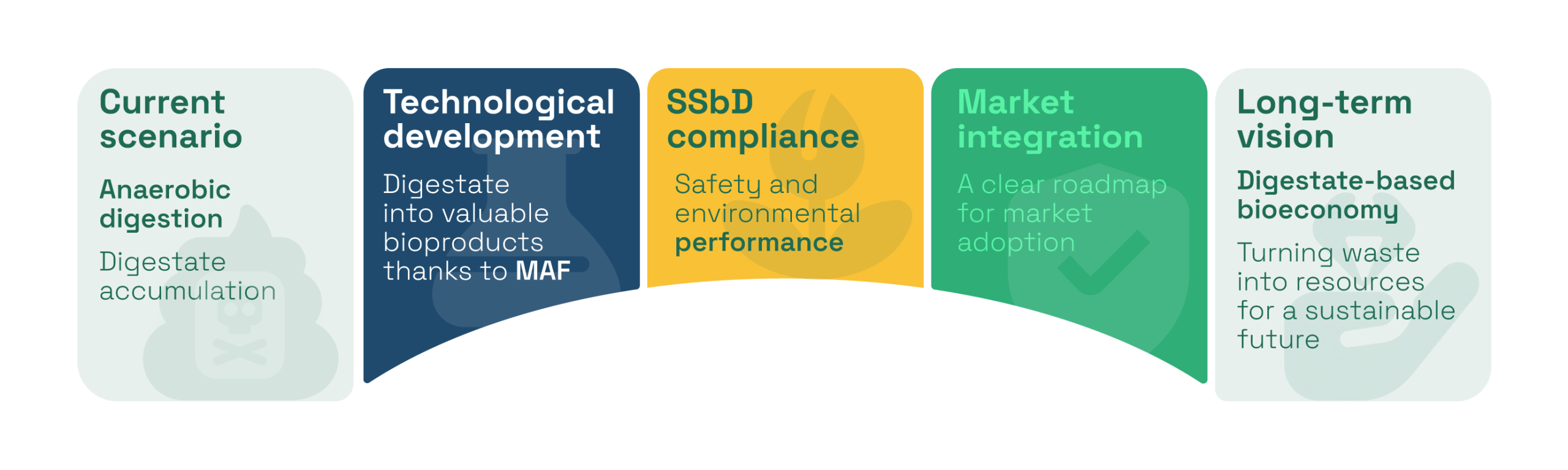
  • Advance knowledge on digestate valorisation and microbial fermentation applied to complex waste streams.
  • Demonstrate the Modular Adaptive Fermentation (MAF) concept as a modular bioprocessing concept supported by AI-enabled tools.
  • Strengthening interdisciplinary collaboration across biotechnology, environmental science, engineering, and data-drive modelling.
  • Lay the foundations for new value chains around digestate-derived bioproducts.
  • Support future business models and industrial applications linked to digestate valorisation.
  • Contribute to a transformative digestate-based biorefinery model as a pathway towards an alternative circular bioeconomy.
  • Reduce the burden associated with digestate management by enabling higher-value recovery pathways.
  • Support evidence-informed discussions on enabling conditions (including regulatory considerations) for the uptake of digestate-derived products.
  • Strengthen the societal awareness and acceptance and sustainability framing of anaerobic digestion through improved by-product valorisation.